Origin
Canterbury: Where Stress Makes Strength.
Great wine comes from stressed vines. Great whisky comes from specific water. Great Manuka comes from Canterbury. This is not marketing. It is peer-reviewed science.
Origin
Great wine comes from stressed vines. Great whisky comes from specific water. Great Manuka comes from Canterbury. This is not marketing. It is peer-reviewed science.
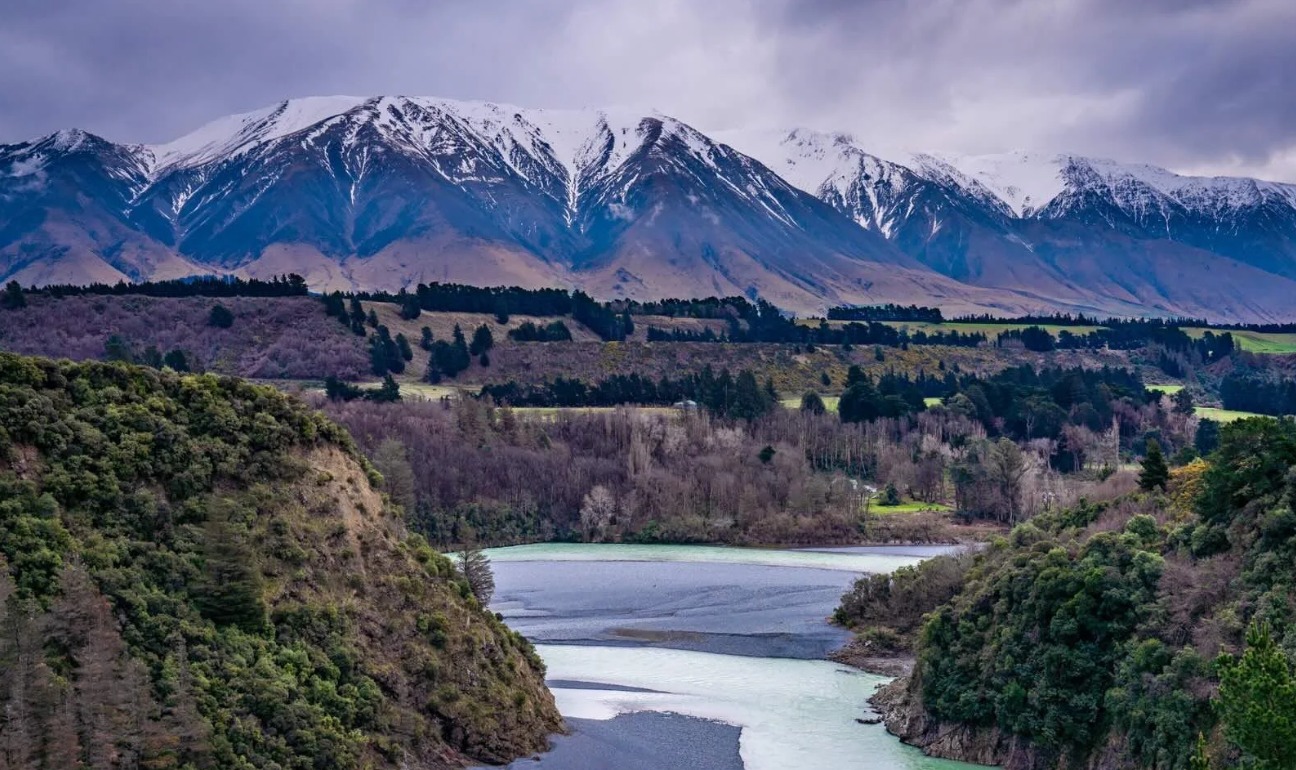
Mid Canterbury, South Island. A strip of land between two glacier-fed alpine rivers — the Rakaia to the north, the Rangitata to the south — at the base of the Southern Alps.
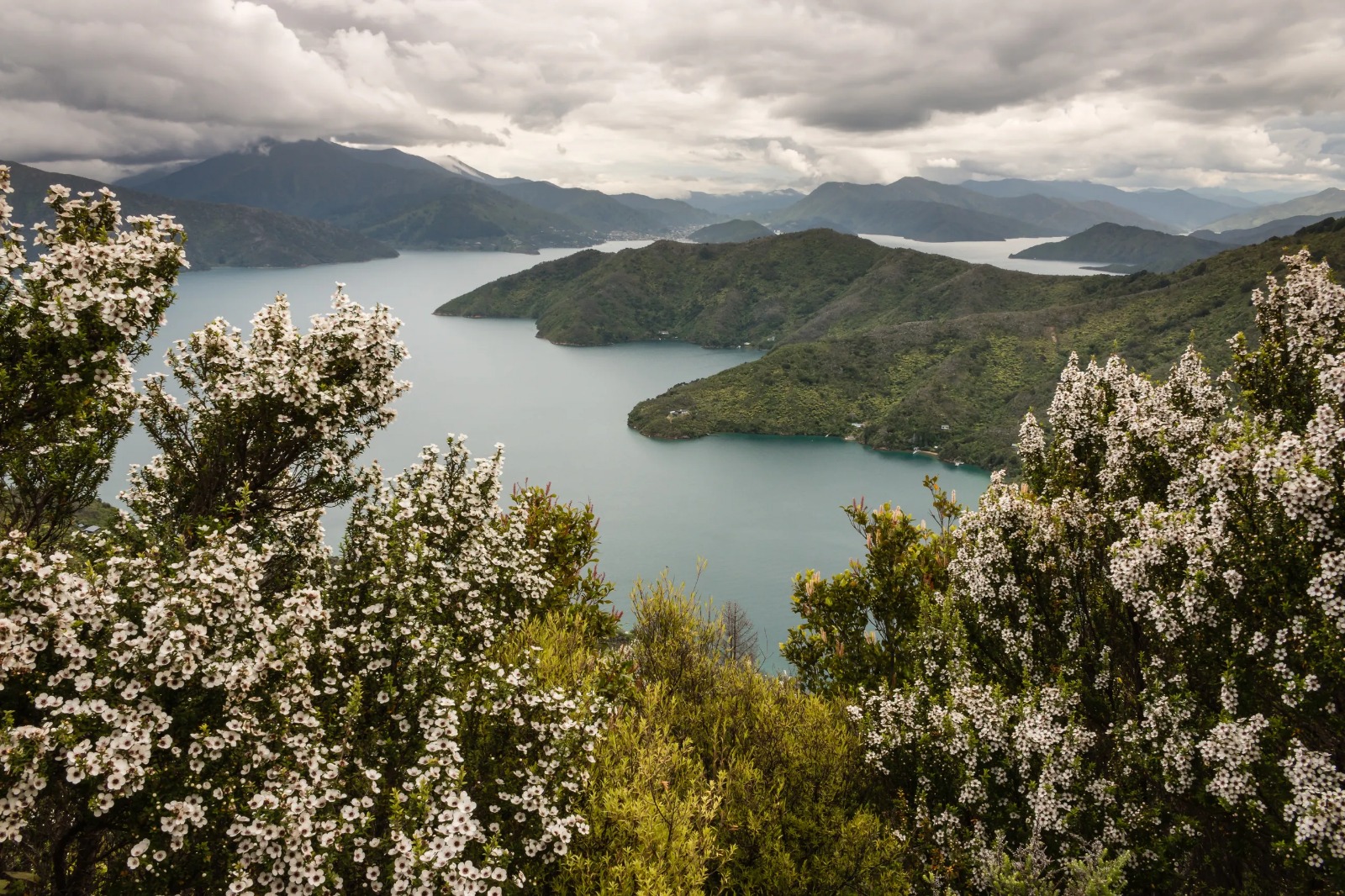
Canterbury's plains were built by glaciers carrying greywacke rock from the Southern Alps over millions of years. The result: shallow, nutrient-poor, free-draining alluvial soils. Published research shows a direct negative correlation between soil fertility and MGO concentration. Poorer soil = stronger honey.
Source: PMC8303644, National Library of Medicine
The Canterbury nor'wester is a foehn wind — it drops its moisture on the western Alps and arrives hot, dry, and relentless. For Manuka, that stress is fuel. The plant responds by concentrating its nectar compounds as a survival mechanism. Canterbury receives 2,786 hours of sunshine annually — among the highest in New Zealand.
Two braided alpine rivers frame our sourcing region. The Rakaia and Rangitata — both glacier-fed from the Southern Alps. Their upper catchments are described as 'relatively weed-free, glacier-fed catchments in almost pristine condition.' No industrial runoff. No urban contamination. Alpine water from source to hive.
South Island Manuka flowers later and shorter than the North Island — a tight 4 to 6 week window from December to February. This compression concentrates the nectar harvest, producing denser, more potent honey. There are no second chances. The bees get one window per year.
Leptospermum scoparium is a pioneer species — the first to colonise damaged or marginal land. In Canterbury's foothills it thrives where nothing else can: poor acidic soils, frost, drought, punishing wind. Research confirms that Manuka grown in nutrient-poor, well-drained soil under full sun produces significantly higher DHA concentrations than plants in rich, sheltered conditions. Canterbury does not just grow Manuka. It pressures it into producing better honey.
Sources: PMC5838834 / Taylor and Francis
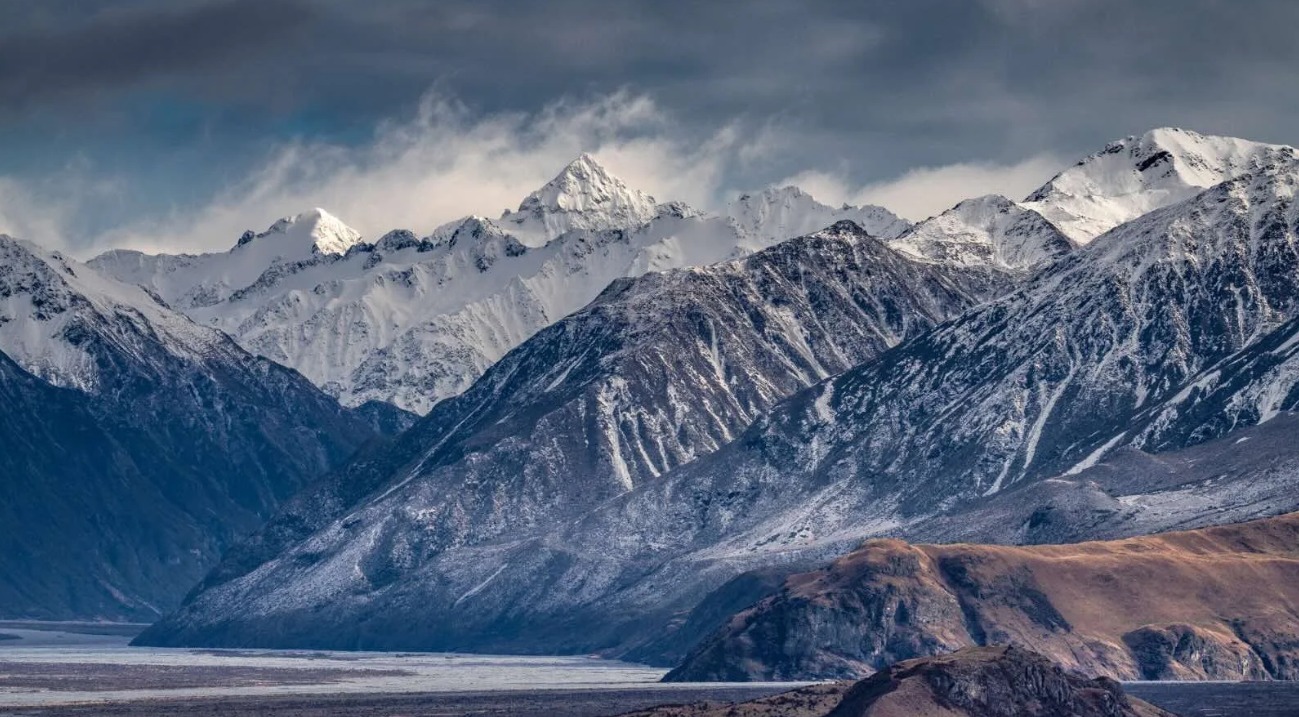
Midlands Apiaries, Ashburton. Built on the legacy of Symes Apiaries. One of the largest honey operations on the South Island. Thousands of hives across Mid Canterbury. Purpose-built extraction facility. In-house laboratory testing at every stage. Full batch traceability from hive location to finished jar. They have never left the region that made them. Neither will we.